

What Arizonans Should Know About Andes Virus and Hantavirus
The Arizona Department of Health Services (ADHS) is monitoring the current Andes virus outbreak linked to the MV Hondius cruise ship while working closely with local, Tribal, and federal public health partners to keep Arizonans informed and protected. Update as of May 12th, 2026 At this time, there are no confirmed cases or exposures of Andes virus in Arizona and [...]

Supporting Healthy Smiles for Arizona Children
February is National Children’s Dental Health Month (NCDHM), a time to raise awareness about the importance of preventive dental care for children. Healthy teeth do more than create great smiles, they support a child’s overall health, confidence, and quality of life. Tooth decay, also known as dental caries, is the most common childhood condition, but it is largely preventable. According [...]
ADHS Launches New Tool Putting Local Public Health Data at Your Fingertips
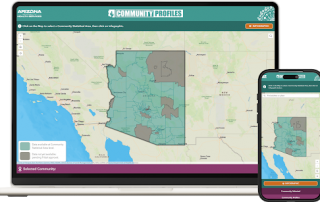
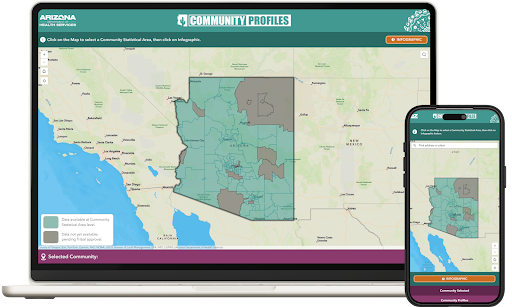
Finding reliable, local public health data just got a lot easier. The Arizona Department of Health Services announced the public launch of Community Profiles, a new interactive tool that brings critical information about Arizona communities into one clear, easy to use experience. Community Profiles allow local officials, researchers, nonprofit organizations, and the public to explore up to date data on [...]

Flu and Measles in Arizona: What to Know and How to Protect Each Other
As we enter the peak of respiratory season and students and families return to their school and work routines after the holiday break, we want to share a timely health update to help Arizonans stay informed and prepared. Over the last few weeks there has been a sharp increase in the number of individuals testing positive for Flu and hospitalizations [...]

Cuide su salud y disfrute las fiestas con alegría
Al entrar a esta temporada navideña, y en la espera de pasar tiempo con nuestros seres queridos, muchos Arizonenses viajarán para reunirse con la familia y los amigos, fortaleciendo amistades y formando bonitas memorias. Esta también es la época del año en la que el riesgo de infecciones respiratorias virales (como el COVID-19, la influenza y el VRS) es mayor, [...]
Embrace a Safe and Joyful Holiday Season
As we enter the holiday season, and we look forward to spending time with our loved ones, many Arizonans will travel to gather with family and friends, strengthen relationships and build memories together. This is also the time of the year when the risk of viral respiratory infections (COVID-19, Influenza, and RSV) is higher, as we get closer to the [...]





Social Media