
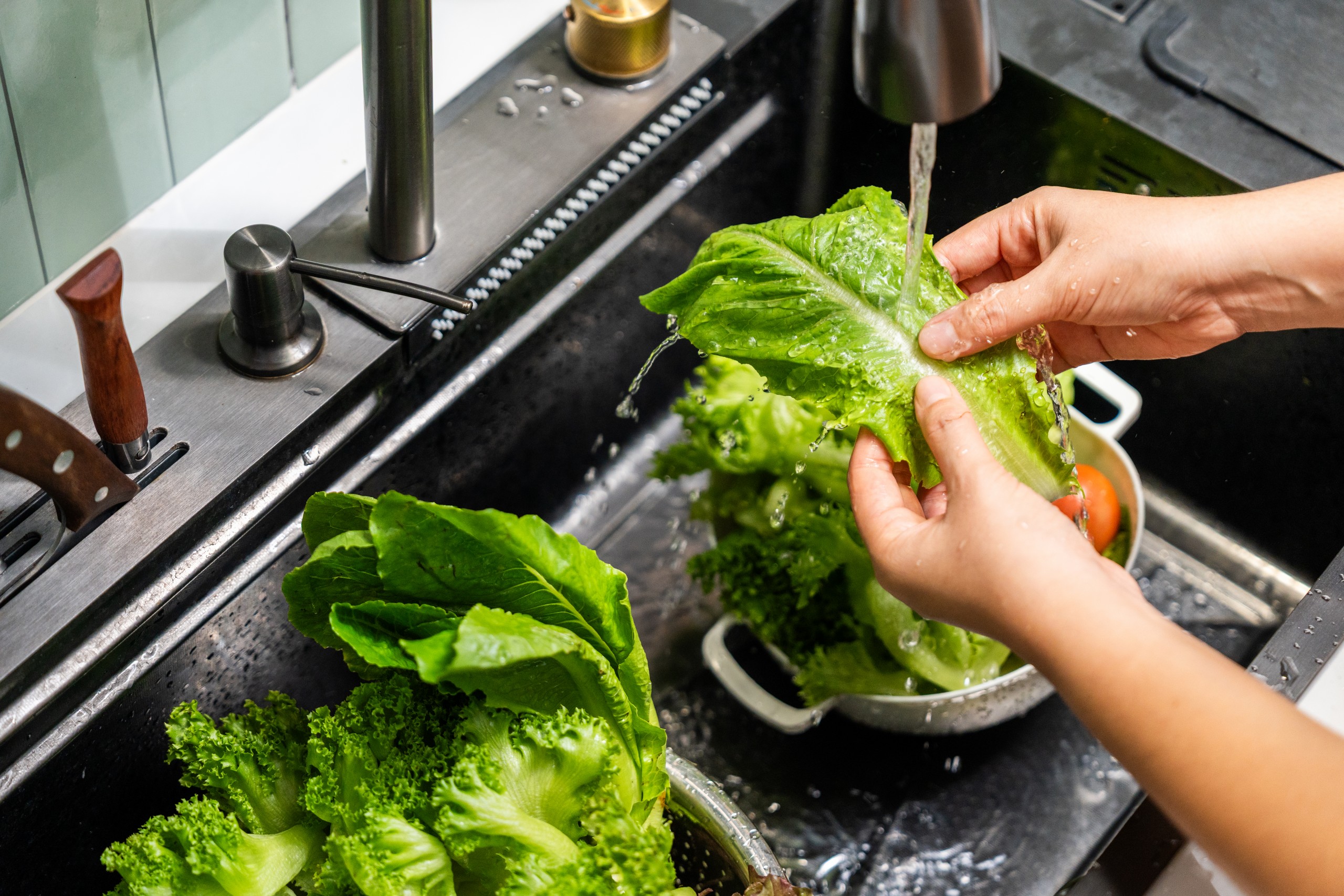
Summertime in Arizona means plenty of sunshine, outdoor pools, and crisp, refreshing summer meals. Whether you’re slicing up a cold melon on a hot afternoon or making a delicious salad, fresh fruits and vegetables are a vital part of keeping our families healthy.
Recently, there has been national news coverage regarding an increase in cyclosporiasis, pronounced (sigh-clo-spore-EYE-uh-sis), reported in regions across the country.
Here in Arizona, our numbers of reported cases of cyclosporiasis remain low. However, because summer is the peak season for this illness, the Arizona Department of Health Services (ADHS) wants to make sure that you have the facts and simple tools you need to keep your kitchen safe, healthy, and worry-free.
What is cyclosporiasis?
Cyclosporiasis is a stomach illness caused by a microscopic parasite called Cyclospora.
Because it is a parasite and not a bacteria, it behaves a little differently than your typical “stomach bug”:
- It comes from contaminated food or water: People usually get infected by eating fresh produce that came into contact with the parasite somewhere along the agricultural chain.
- It does not spread person-to-person: Unlike the flu or a typical stomach virus, you cannot catch cyclosporiasis directly from someone else.
- It is completely invisible: You cannot see, smell, or taste Cyclospora or on your food.
Simple, Empowering Kitchen Habits
While washing your produce is a great habit, it’s important to know that Cyclospora can cling tightly to fruits and veggies, meaning washing alone might not completely remove it. However, following safe food-handling practices greatly reduces your overall risk.
You do not need to stop eating fruits and vegetables! Instead, just weave these simple steps into your daily cooking routine:
- Wash your hands before and after: Always wash your hands with warm water and soap for at least 20 seconds before handling fresh produce.
- Rinse thoroughly: Wash all fresh produce under clean, running water before eating, cutting, or cooking it.
- Scrub firm surfaces: Use a clean produce brush to scrub the outer skin of firm fruits and veggies like melons and cucumbers before slicing into them.
- Cut away bruises: Trim away any damaged or bruised areas on your produce, as these spots can harbor bacteria and parasites.
- Keep it cold: Put cut, peeled, or cooked fruits and vegetables into the refrigerator within two hours of preparation.
- Cook when you can: Heating to 158 degrees will kill Cyclospora. If you are cooking for young children, older adults, or those with weakened immune systems, opting for cooked vegetables and herbs is an excellent extra layer of safety.
Please note: Chemical produce washes or sanitizing sprays have not been proven to kill Cyclospora, so stick to clean, running water.
Which Foods Need a Little Extra Attention?
Because investigators across the country are working hard to pinpoint the exact source of the current national rise in cases, there isn’t one specific item you need to cross off your grocery list. The vast majority of what you see in Arizona grocery stores is completely safe.
However, looking at past outbreaks, Cyclospora is most frequently found on items that are imported or packed together and typically eaten raw. By adjusting your prep routine for these specific foods, you can keep your kitchen safe:
The “Wrapped Produce” Myth
A common misconception is that if a piece of produce comes tightly wrapped in plastic, it is clean and ready to go. Wrapped items like English cucumbers, romaine hearts, and pears still need to be unwrapped and thoroughly washed under running water before you eat or cook them.
Lettuce and Leafy Greens
Pre-packaged salad kits and bagged lettuce blends are summer staples because they are so convenient. However, because many individual leaves are mixed together in large facilities, if the parasite is on one leaf, it can easily spread to the rest of the bag.
- The Preparation Tip: Consider buying whole heads of lettuce instead of pre-washed, bag mixes. Pull off and throw away the outer 2-3 layers of leaves, then wash the inner leaves thoroughly under running water. For sturdy greens that can take the heat, cooking is always your safest option.
Fresh Herbs (Cilantro and Basil)
Fresh herbs add wonderful flavor, but their delicate, textured leaves make it easy for microscopic hitchhikers to cling on tightly.
- The Preparation Tip: Pluck and separate the leaves completely, then wash them thoroughly under running water to clear out hidden crevices. These are safest when cooked thoroughly into warm dishes like pasta or stir-fry.
Green Onions
These crunchy favorites are frequently chopped raw as a garnish, but they require some extra care during peak season.
- The Preparation Tip: Trim off the root end completely and peel away the very outer layer of skin before washing thoroughly under running water. Sautéing or cooking your green onions is the safest option.
Raspberries
Biting into a ripe berry is one of the best parts of summer. However, because raspberries have a bumpy surface, the parasite can easily hide in those tiny crevices, making it especially hard to clean.
- The Preparation Tip: Wash them gently but thoroughly under running water. Raspberries are safest when cooked down into delicious baked pies or jams. You can also consider frozen raspberries as an alternative; while freezing doesn’t completely guarantee elimination, it can help reduce the risk.
Snow Peas
These are a great crunchy addition to summer salads and veggie platters.
- The Preparation Tip: Wash them under running water while actively rubbing the surface with your fingers to loosen any microscopic parasites. A quick toss in a pan or wok keeps a great crunch while ensuring safety.
Recognizing the Symptoms
If someone does ingest the parasite, symptoms typically show up about one week later (though it can range anywhere from two days to two weeks).
The most common sign is frequent, watery diarrhea. Because this parasite can be stubborn, symptoms can last for a few days to a month or more, sometimes disappearing and then coming back again.
Other common symptoms to watch for include:
- Stomach cramps, bloating, or increased gas
- Loss of appetite and nausea
- Unintended weight loss
- Fatigue (feeling unusually tired)
When to call your doctor: If you or a loved one develop persistent watery diarrhea that lasts more than a few days, or if you begin to see signs of dehydration, please reach out to your healthcare provider.
An Important Note for Your Doctor’s Visit:
Because cyclosporiasis is relatively uncommon in Arizona, standard food-poisoning tests do not always automatically screen for it. If you suspect you have it, please be sure to mention cyclosporiasis specifically to your doctor so they can order the correct diagnostic test. The good news is that once diagnosed, it is easily treatable with standard prescription antibiotics.
How We Are Working to Protect You
Our team at ADHS is actively monitoring the situation. We work hand-in-hand with local county health departments as well as federal partners (like the CDC and FDA) to track any cases, share up-to-date guidance with our local doctors and nurses, and answer questions from our community.
Our goal is always to keep you informed, not alarmed. By practicing food safety at home, we can all enjoy a healthy, vibrant Arizona together.
Additional Resources:
National Outbreak Updates: CDC Cyclosporiasis Resource Page https://www.cdc.gov/cyclosporiasis/
For Public Health & Medical Professionals: ADHS Cyclosporiasis Investigation Manual https://www.azdhs.gov/documents/preparedness/epidemiology-disease-control/investigation-manual/disease-protocols/cyclosporiasis-protocol.pdf
Foodborne Disease Outbreak Investigation Article
https://directorsblog.health.azdhs.gov/anatomy-of-a-foodborne-disease-outbreak-investigation/



Social Media