
Monsoon season is officially here and will run through September 30. With the spectacular storms come a few serious health risks we all need to watch out for. From extreme heat and dust storms that trigger respiratory issues like Valley Fever, to the sudden dangers of flash floods, staying alert is key. This time of year also brings a spike in food-borne illness and creates perfect breeding grounds for mosquitoes carrying West Nile virus. Local health officials are working hard to keep us safe, but staying informed so you know how and when to take action is your best defense against Arizona’s unpredictable summer weather.
2026 Monsoon Outlook
Arizona is heading into the 2026 monsoon season under abnormally dry conditions and severe to extreme drought. These arid conditions have left plants, grass, and trees incredibly dry, which make them a perfect kindling and significantly increasing the risk of wildfires as the summer heat sets in.
Arizona’s Monsoon Season historically averages anywhere from two to sixteen inches of rain spread over ten to fifty days, depending on the region. There is a ninety percent chance of El Niño conditions prevailing through 2026, a climate pattern that typically increases the probability of precipitation later in the season, particularly during August and September. Overall, weather predictions are tilting toward above-average rainfall for the state. However, because of the erratic and localized nature of monsoon thunderstorms, actual totals will be highly variable at the neighborhood level.
Along with predicted above-average temperatures stretching through July, August, and September, the season typically unleashes over half a million lightning strikes across the state, with both lightning and heavy downpours most likely to strike between noon and early evening. Ultimately, the 2026 monsoon presents a complex narrative: a welcome potential for drought relief paired with an immediate, potentially dangerous recipe for wildfire and severe weather.
The official 2026 NWS Arizona Monsoon Outlook is now available!
The offices covering the state of Arizona (NWS Tucson, Flagstaff, Phoenix, and Las Vegas) have collaborated on this year’s 2025 Arizona Monsoon Outlook. Both precipitation and heat are projected to be higher than normal this year. You can find these specific resources via the links below.
2026 Arizona Monsoon Outlook Video English | Spanish
2026 Arizona Monsoon One-Pager English | Spanish
2025 Arizona Monsoon Outlook Graphic English | Spanish
Lightning, Power Outages, and Wildfires
An August 2025 storm knocked out power to more than 15,000 residents as wind ripped away roofs and toppled large trees across the valley. Arizona is one of the most active regions in the country for atmospheric electrical activity. Monsoon storms can produce over half a million lightning strikes across the state. This intense activity brings an immediate risk of utility power outages and can spark fast-moving wildfires in dry desert vegetation.
Travel and Visibility Hazards
During a powerful storm system in August 2025, a towering haboob (dust storm) rolled through metro Phoenix, impacting highways and temporarily grounding hundreds of flights at Phoenix Sky Harbor International Airport. Later in the year, a separate, intense dust storm pileup near Tonopah caused a 12-vehicle fatal crash, showing the tragic cost when visibility drops instantly.
Blowing dust remains one of the most dangerous travel hazards of the summer. Interstate 10, particularly the heavily traveled corridor between Phoenix and Tucson near Casa Grande and Picacho Peak, is historically a high-risk area for dust-related collisions. State transit data shows that a specific ten-mile stretch in this area has seen at least 50 crashes and eight fatalities due to sudden dust storms, making it a critical zone where drivers must be ready to:
- Safely pull off the road as far as you can.
- Turn off all your vehicle lights.
- Set the parking brake and take your foot off the brake pedal.
- Stay inside your vehicle with your seatbelts buckled and wait until you have visibility.
Flash Floods and Roadways
The end of the 2025 season reminded us of the power of water. In late September, an unprecedented roughly 2.5 inches of rain fell over Gila County in a matter of hours. Globe experienced devastating flash flooding that swept away vehicles and debris and forced residents onto their rooftops to await rescue.
The geography of Arizona includes thousands of un-bridged, low-water crossings that flood quickly during monsoons. Flooding leads to an average of two to three deaths in the state each year, with the majority of these incidents occurring inside vehicles. It takes only twelve inches of rushing water to carry away a passenger car, and just eighteen to twenty-four inches of water can displace larger sports utility vehicles, vans, and trucks. This is why emergency responders emphasize avoiding familiar low-water routes during heavy rains and being vigilant of warning signs. Don’t ignore “Flash Flood Area” signs
Pests, and Food Safety
The environmental changes brought by the storms also trigger hidden biological risks. Within two weeks of a heavy rainfall, standing water can cause local mosquito populations to multiply by up to ten times their usual size, notably raising the risk of vector-borne illnesses like West Nile virus. Empty standing water immediately to reduce these risks.
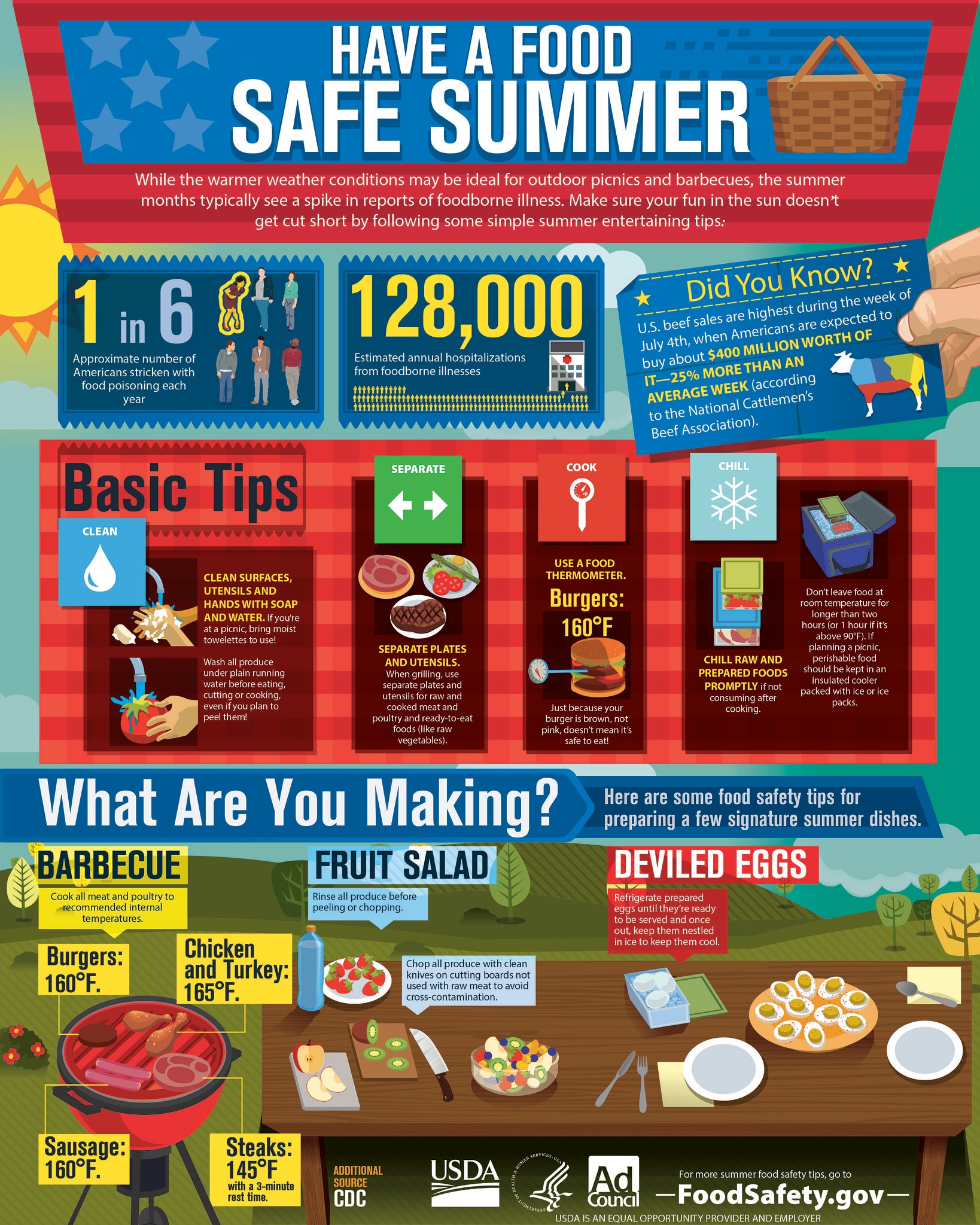
Concurrently, the late-summer combination of high humidity and extreme heat creates an optimal environment for food-borne bacteria to thrive, resulting in a rise in food-borne illness cases that consistently peak during July and August. Practice food safety in your home.
Emergency Preparedness
Use these helpful checklists to help your emergency planning. Print out each one and follow the instructions to make sure you have the items you need to stay safe. For more downloadable kits, read the Clean Air, First Aid Kit, Financial Security, Special Needs, Warmth and Food & Water pages.
RESOURCES:
- HEAT.AZ.GOV
- Energy Assistance · Wildfire AZ
- Road conditions: az511.gov
- Arizona Power Outage Map: https://poweroutage.us/area/state/arizona
- POWER OUTAGE PREPARATION FOR MOBILE AND MANUFACTURED PARK RESIDENTS (English) (Spanish)
- Food Safety (Infograph)
- Ready.gov/Power-Outages


Social Media