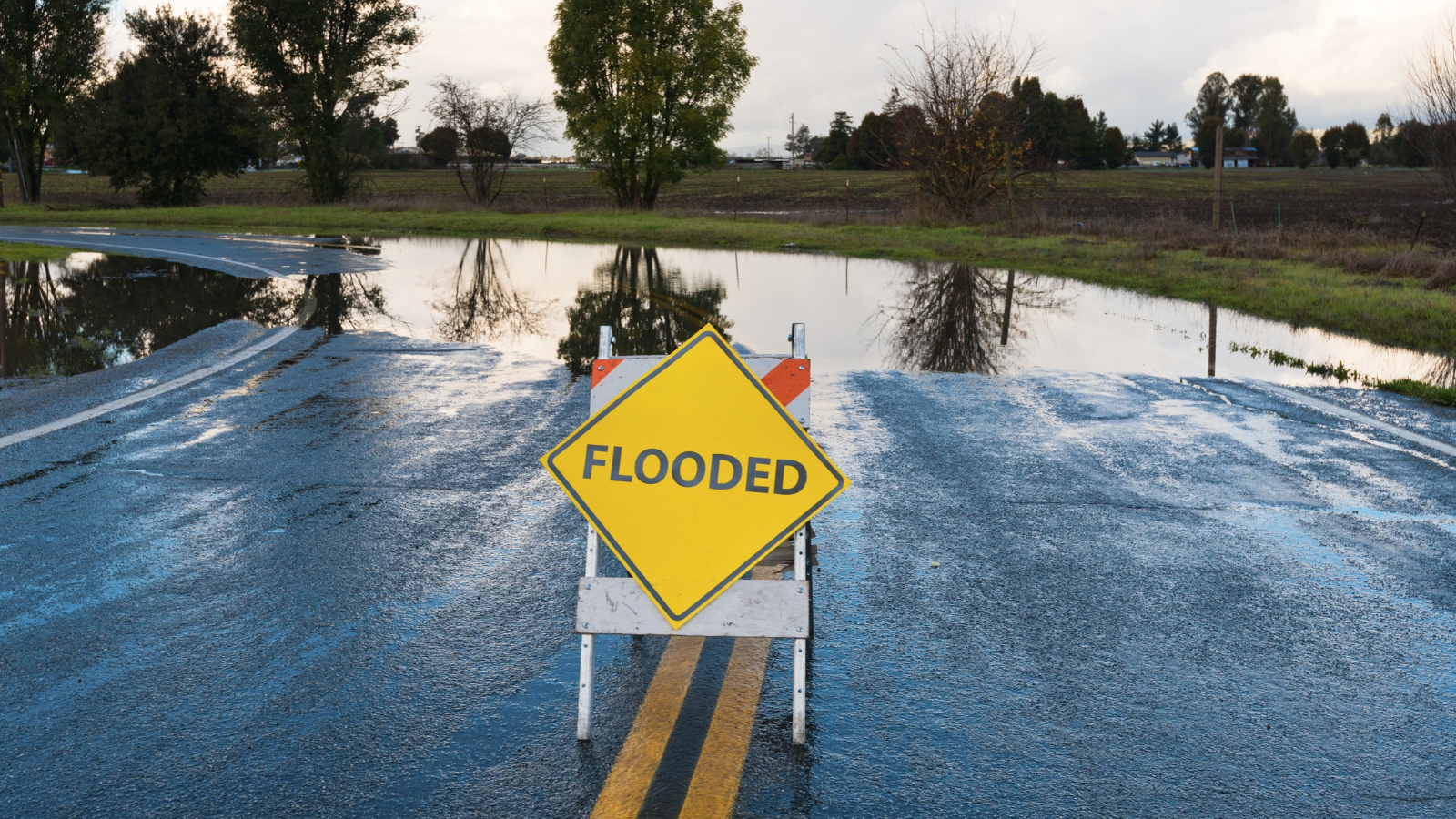
Recent heavy storms and rainfall have impacted communities across Arizona, bringing localized flash flooding, standing water, and difficult cleanup challenges to several counties. Whether your home experienced direct flood damage, you are helping neighbors clear debris, or you are simply navigating the aftermath in your community, prioritizing your health and safety is essential.
Floodwaters bring hidden hazards that persist long after the rain stops, including electrical risks, contaminated water, mold, and chemical debris. Below is practical guidance to help you protect yourself and your family as recovery efforts begin.
Returning Home and Entering Damaged Buildings
Before stepping into any flooded area or building, make sure authorities have secured the zone and cleared it for re-entry:
- Check for structural and utility hazards: Ensure buildings have been inspected for natural gas leaks and structural damage before entering. Never touch downed power lines or enter areas near them; stay clear until your local utility company confirms the site is safe.
- Inspect electrical equipment carefully: Flood-damaged car batteries may still hold an electrical charge and can leak corrosive acid. Handle battery removal with extreme caution.
- Wear proper protective equipment: If handling debris or cleaning up flooded spaces, wear sturdy rubber boots, liquid-resistant gloves, eye protection, long sleeves, pants, and an N95 respirator.
Food Safety: When in Doubt, Throw It Out
Floodwaters carry raw sewage, bacteria, chemicals, and agricultural runoff. Any food that comes into contact with floodwater is unsafe:
- Unpackaged foods: Discard fresh meat, poultry, dairy, eggs, grains, bulk goods, and any food stored in paper, cellophane, or foil that has been exposed to floodwater or trapped condensation.
- Packaged and canned items:
- Discard foods in non-waterproof packaging, screw-top containers, snap lids, cardboard cartons (such as juice or baby formula boxes), and all home-canned items exposed to floodwater.
- Discard canned foods with dents, swelling, rust, or broken seams. Undamaged, commercially sealed cans can be saved if you remove the paper labels, wash thoroughly with potable water and detergent, sanitize in a bleach solution (1 tablespoon unscented household bleach per gallon of clean water) for 15 minutes, air dry, and re-label with expiration dates.
- Power outages and refrigeration: An unopened refrigerator will keep food safely cold for approximately 4 hours. Keep freezer doors closed; 25 pounds of dry ice will maintain temperatures in a 10-cubic-foot freezer for 3 to 4 days (always wear thick gloves when handling dry ice). If food has thawed above 41°F for more than two hours, discard it.
- Infant feeding: Use only pre-packaged, ready-to-feed liquid baby formula that does not require adding tap water or use bottled water to prepare baby formula.
Water Safety: Private Wells and Septic Systems
Floodwaters frequently contaminate drinking water supplies and saturate wastewater systems:
- Private Wells:
- If floodwaters reach your wellhead, assume the water is contaminated. Do not use it for drinking, cooking, dishwashing, or brushing teeth.
- Use bottled water or boil water vigorously for at least 1 minute (or 3 minutes at elevations above 6,500 feet).
- Pump and flush the well, disinfect according to local public health guidance, and have the water tested for bacteria (such as E. coli and coliforms) through an accredited lab before resuming regular use.
- Septic Systems:
- Saturated drainfields cannot treat wastewater properly. Avoid running heavy equipment or vehicles over the drainfield.
- Minimize indoor water use (limit showers, laundry, and flushing) to prevent sewage backups into your home.
- Do not pump your septic tank while the surrounding soil is still waterlogged, as doing so can damage or shift the tank and underground piping. Once soil has dried, have the system inspected by a licensed professional.
Cleaning Up, Disinfecting, and Preventing Mold
Moisture trapped in building materials quickly leads to mold growth, which can trigger coughing, wheezing, eye irritation, and severe reactions in individuals with asthma or weakened immune systems:
- Remove water and porous items: Extract standing water as quickly as possible. Discard waterlogged drywall, fiberglass insulation, mattresses, and porous furniture that cannot be thoroughly dried within 24 to 48 hours.
- Dry out your home: Use fans, air conditioners, and dehumidifiers to lower indoor humidity.
- Clean and disinfect hard surfaces: Wash surfaces with warm water and detergent, rinse, and sanitize using an EPA-registered disinfectant or a bleach solution:
- General hard surfaces: Mix 1 tablespoon of household chlorine bleach into 1 quart (4 cups) of clean water. Allow it to sit wet for 3 to 5 minutes before rinsing with clean water.
- Sewage-contaminated surfaces: Use ½ cup of household bleach per gallon of clean water.
- Wash contaminated clothing: Launder clothing and work gear worn during cleanup separately in hot water and laundry detergent.
Chemical Safety and Displaced Containers
Flood currents easily dislodge fuel containers, oil drums, and gas tanks:
- Propane tanks: Never attempt to upright, move, or service displaced propane tanks yourself. Keep a safe distance and report damaged or floating tanks immediately to local emergency personnel or certified propane technicians.
- Household hazardous waste: Keep damaged batteries, motor oil, pesticides, and solvent containers segregated from ordinary trash. Do not mix chemical containers together, which can cause toxic gas releases or chemical fires. Place leaking items inside a secondary plastic pail and check with your county transfer station for proper hazardous waste drop-off days.
Personal Hygiene, Wounds, and Vector Control
Protect your physical health while working around debris:
- Wound care and tetanus: Wash all cuts or scrapes immediately with clean water and soap. If you suffer a puncture wound or an injury contaminated with soil or floodwater, contact a healthcare provider to see if you need a tetanus booster. Seek prompt medical evaluation if any wound develops redness, swelling, warmth, or drainage.
- Fight mosquito breeding (The 4 Ds):
- Drain: Empty standing water from tires, pet dishes, buckets, tarps, flower pots, and gutters at least once a week.
- DEET: Apply EPA-registered insect repellent containing DEET, Picaridin, or Oil of Lemon Eucalyptus when outdoors.
- Dress: Wear light-colored, loose-fitting long sleeves and pants.
- Dusk & Dawn: Take extra precautions during early morning and evening hours when disease-carrying mosquitoes are most active.
Local Support and Additional Resources
Public health teams across Arizona counties are sharing localized updates, boil-water notices, and resource drop-off locations:
- Follow your County Public Health agency on social media (e.g., your county Facebook page) for community-specific road closures, call center numbers, and supply distribution sites.
- For emergency updates across Arizona: Visit the Arizona Emergency Information Network at azein.gov.
- ADHS Extreme Weather and Flood Guides: Review printable factsheets and Spanish-language resources at azdhs.gov/monsoon-safety.
If you or a loved one feel overwhelmed, need assistance navigating cleanup, or are experiencing severe distress following the storm, please call 988 for guidance and support.



Social Media