




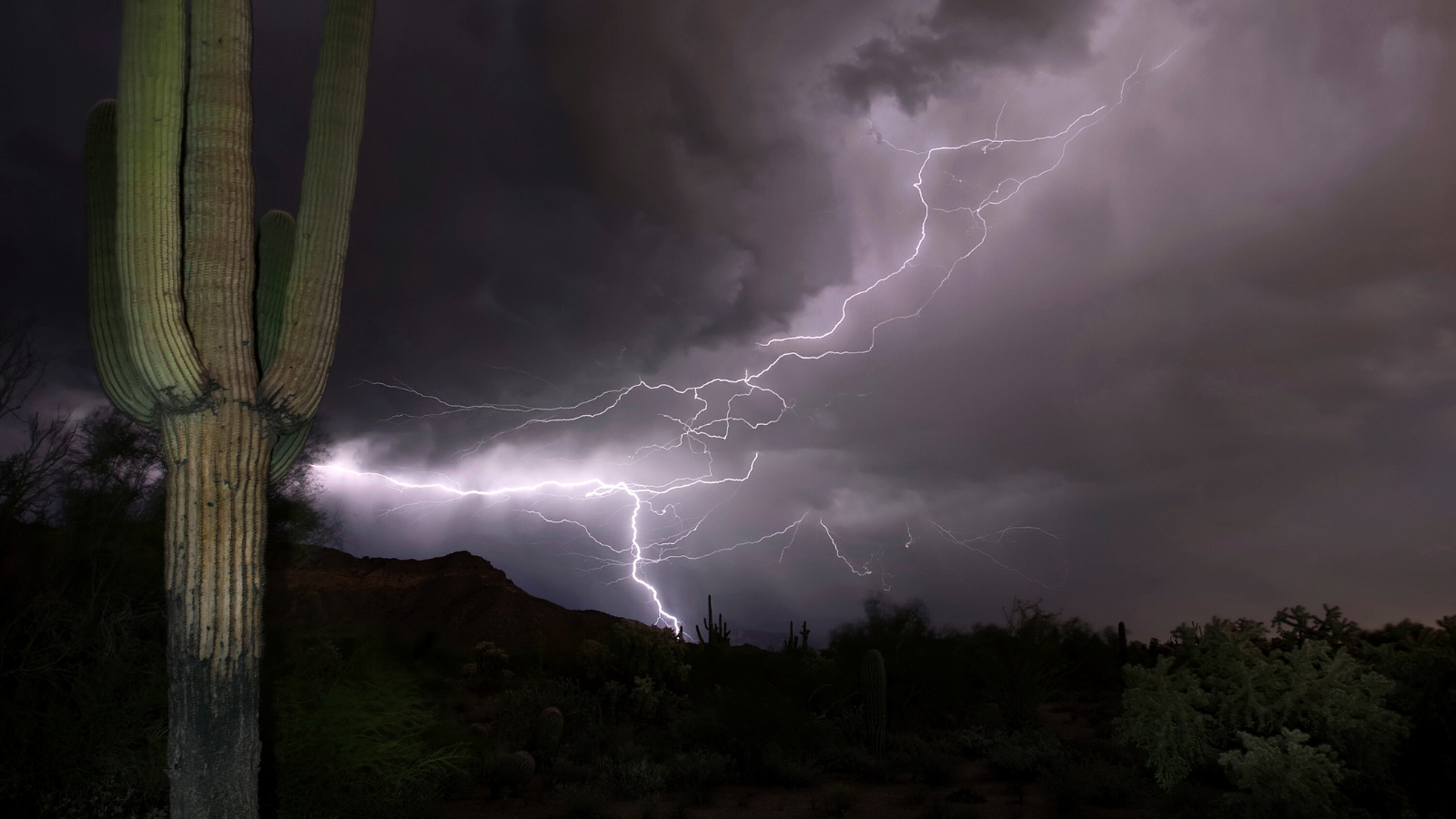
As the Arizona monsoon season continues through September, the Arizona Department of Health Services (ADHS) wants to ensure all Arizonans are equipped with the knowledge to stay safe and healthy. Last month we celebrated Monsoon Week. While the recent summer rains are a welcome sight, they also bring unique weather hazards that require our attention and preparedness.
Understanding the Monsoon’s Impact on Your Health
Arizona’s monsoon season, which officially runs from June 15 to September 30, ushers in a period of increased humidity, thunderstorms, heavy rain, lightning, hail, high winds, flash flooding, and dust storms. The monsoons often bring cooler temps and a short break from extreme heat. As we get outside and take advantage of the lower temps, let’s remember to take precautions to keep ourselves and loved ones safe. Monsoon conditions can directly impact public health in several ways:
-
- Heat-Related Illnesses: Despite the occasional rain, extreme heat often coincides with monsoon season. It’s crucial to continue practicing heat safety by staying hydrated, seeking air-conditioned environments, and limiting outdoor activity during the hottest parts of the day.
- Respiratory Concerns: Dust storms, also known as “haboobs,” can drastically reduce visibility and worsen air quality by stirring up microscopic dust particles. These particles can cause eye and skin irritation, and exacerbate respiratory issues like asthma and bronchitis. The fungal spores responsible for Valley fever, a lung infection common in our desert soil, can also be carried by blowing dust. If you have respiratory ailments, limit outdoor activities during dusty conditions and consider wearing a mask.
- Mosquito-Borne Illnesses: Standing water left after monsoon rains creates ideal breeding grounds for mosquitoes. This increases the risk of mosquito-borne illnesses such as West Nile virus. Remember to drain standing water in and around your home, empty and scrub, toss or cover any items that can hold water (such as buckets, pet bowls or children’s toys); ensure your home has intact screens on doors and windows; use insect repellent to protect yourself when outdoor.
- Flash Flooding and Water Safety: Arizona’s dry and rocky soil does not absorb water well, leading to rapid and dangerous flash floods, even from distant rainfall. Just six inches of moving water can knock an adult off their feet, and one foot of moving water can sweep a vehicle away. Never drive through flooded washes or around “Road Closed” signs. This is not only extremely dangerous but can also lead to legal consequences under Arizona’s “Stupid Motorist Law.” If you encounter floodwaters, remember: Turn Around, Don’t Drown!
- Power Outages: Monsoon storms can cause power outages, impacting food and water safety. Keep your refrigerator and freezer doors closed, and if power is out for more than four hours, throw out perishable food. Always use bottled water or boil/disinfect well water if you cannot confirm its safety.
- Sanitation and Food safety: Don’t eat food that’s been at room temperature for more than two hours, or with an unusual odor, color, or smell. Avoid illness that can be caused by sewage and other waste in flood water by sanitizing hands with clean water or hand sanitizer. Don’t consume food or water exposed to flood water.
Your Preparedness Checklist
Being prepared is key to minimizing the risks associated with the monsoon season. Here are essential steps for you and your family:
- Create an Emergency Kit: Assemble a kit with at least three days’ worth of non-perishable food and water, necessary medications, important documents, a weather radio, and supplies for pets.
- Develop a Family Communication Plan: Identify an evacuation route, neighborhood meeting places, and an out-of-state contact.
- Stay Informed: Keep an eye on weather forecasts and warnings from reliable sources. The Arizona Department of Transportation (ADOT) also provides alerts on road conditions.
- Vehicle Preparedness: Before driving, inspect your windshield wipers and ensure your tires are in good condition.
- Dust Storm Safety: If you encounter a dust storm while driving, pull your vehicle off the road as far as possible, turn off all your lights (including emergency lights), set the parking brake, and take your foot off the brake pedal. Stay inside your vehicle with your seatbelt buckled and wait for the storm to pass.
By taking these proactive steps, you can protect yourself and your loved ones. Stay vigilant, stay prepared, and stay safe!
List of helpful resources:
ADHS Emergency & Disaster Preparedness
ein.az.gov – The State of Arizona’s official source for emergency updates, preparedness advice and hazards information, and related resources. You can fan, follow, and subscribe to AzEIN on Facebook, Twitter, and YouTube.
