





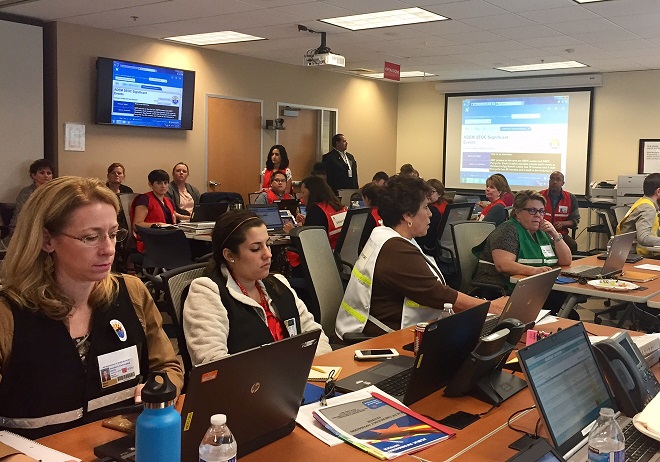
Emergency Drill Tests Response to Public Health Crisis
Our Health Emergency Operations Center activated last week as part of the Palo Verde Nuclear Generating Station annual emergency drill. Federal regulations mandate Palo Verde Nuclear Generating Station and its emergency response partners conduct regular preparedness drills and exercises. During a public health emergency, the Health Emergency Operations Center activates to support state emergency management with health and medical coordination. [...]

Leptospirosis on the Rise in Arizona Dogs: Know How to Keep You and Your Dog Safe
Leptospirosis is a bacterial disease that can affect people and animals. The bacteria can be found in soil and water and can be carried and spread in the urine of infected animals (including rodents, wildlife, pets, and livestock). Dogs can become infected with leptospirosis. Symptoms in dogs include fever, lethargy, lack of appetite, vomiting, diarrhea, and in severe cases may [...]

Coffee and Tea “Add-Ins” Add Up
You might be surprised to learn that what we add to our coffee and tea may be adding up when we count our calories for the day. A recent study in the scientific journal, Public Health, found that about two thirds of coffee drinkers and one third of tea drinkers add something to their drinks. For coffee drinkers, sugar or [...]

Keep Your Kids Safe from the Sun all Year to Reduce the Risk of Cancer
Practicing good sun safety is important at any age, but it is especially important for children since much of a person's lifetime exposure to the sun occurs before age 18. Arizona residents are at risk for developing skin cancer because our sunny state has areas of high environmental exposure and limited protection. It's hard to avoid the sun in our [...]
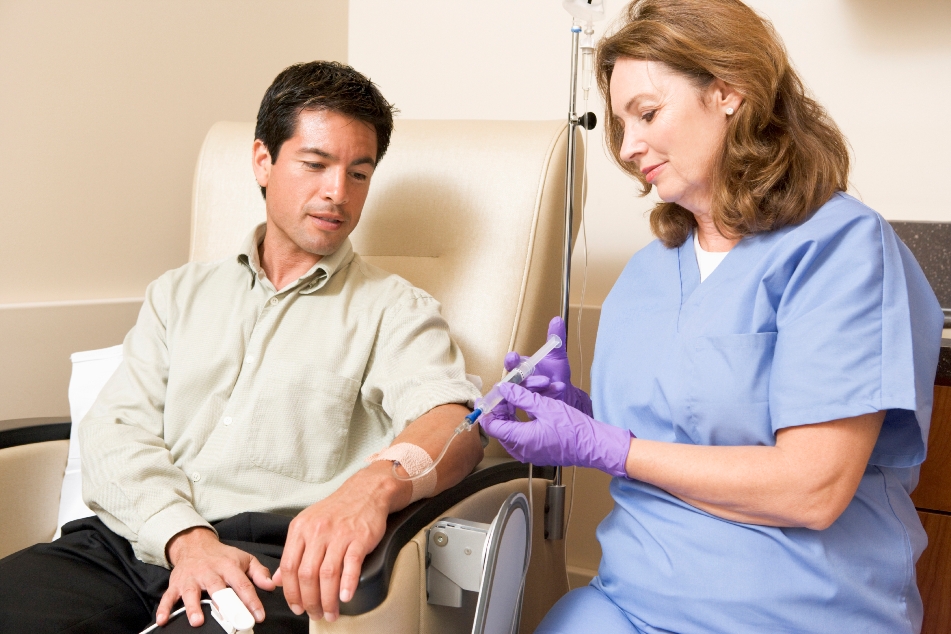
Needle Injuries at Work: Protect Yourself and Your Coworkers
When you work in public health, you know it’s scary to get stuck by a needle in a trashcan, bathroom or another unexpected place. While needles and syringes are used for the medical treatment of multiple conditions such as arthritis, psoriasis, diabetes, and cancer, there is always the fear that a discarded needle also carries blood infected with harmful virus. The [...]

Sugar-Sweetened Beverages and Our Kids
For years, it has been recommended that everyone consume less sugar. New information from the Centers for Disease Control and Prevention gives a clear picture of just how much sugar our kids are getting from sugar-sweetened beverages. Almost two-thirds of the young ones and teens (ages 2 through 19 years) are drinking at least one sugar-sweetened beverage each day and [...]