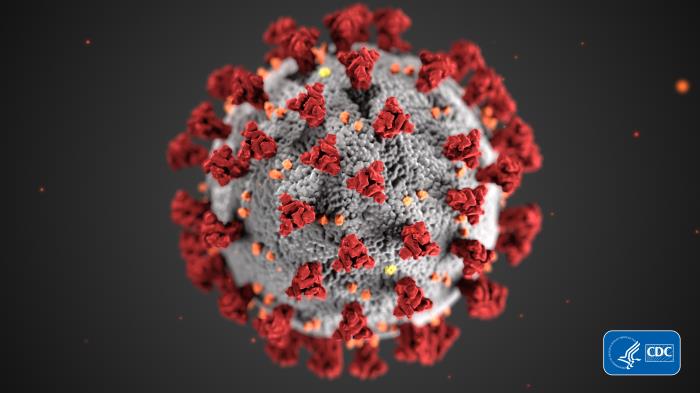

Just as we expected, the sample that we tested for H7N9 influenza today was negative. Thanks to our Lab team for staying a little late this evening to run the test. Even though it was very likely to be negative from the beginning- it’s still important to follow up on every lead. After all, vigilance on the part of the international public health system is a cornerstone of public health readiness.
Have a healthy and safe weekend…
Posts Tagged ‘influenza’
H7N9 Influenza Test Negative
April 26th, 2013ADHS Lab Set to Test for H7N9 Influenza
April 26th, 2013China is continuing to report more and more cases of the new H7N9 Influenza virus. So far they’ve confirmed 108 cases with a death rate of about 20% (21 deaths) All the cases appear to have jumped from birds to humans- meaning that there’s no human-to-human transmission (which is good). One concern is that if a person becomes infected with a seasonal influenza strain and the new H7N9 strain at the same time the viruses could exchange RNA and create a new strain that could be communicable humans to human (which would be bad).
Our Arizona State Laboratory ordered the H7N9 influenza test kits from the CDC this week- and we’ll receive them this morning. Our team will run the first H7N9 test on a sample that came in Thursday evening from a sick AZ resident with a travel history to the parts of China that have been reporting H7N9 influenza. It’s a very low suspect case.
Next Season’s Influenza Vaccine
March 5th, 2013
Just as our influenza season winds down (and it is), it’s time to plan for the next one. Every February the World Health Organization convenes a panel of experts to look at the most current data on the circulating flu strains from around the world and makes recommendations for the next season’s Northern Hemisphere flu vaccine. At this week’s meeting in Geneva, the group recommended changing a B component of the vaccine, but sticking with the A/H3N2 and A/H1N1 components for next year.
It may seem too early to be thinking about next year’s flu vaccine, but planning in February allows time for vaccine companies to grow the viruses and process the vaccine. The vaccine-making process still takes about 6 months… so it’s important to start as early as possible to ensure that vaccine is available for the start of the next flu season. Getting vaccinated against the flu every year is important, especially because the vaccine strains can change from year to year, as will happen for the 2013-2014 season.
Our Most Popular ADHS Website
February 14th, 2013
Guess which one of our ADHS Websites consistently has the most hits. Our influenza pages during flu season? Medical marijuana during our rulemaking? Questions about WIC eligibility? Nope. It’s our Genealogy website. The site has had more than 5,100,000 queries in the last 2 years.
Our Vital Records team has been keeping data on birth and death certificates since 1855. A few years ago, our easy to use Genealogy website was put together so folks can do research on their family history. The data on the site includes AZ births before 1938 and deaths before 1963. The public records statute says that birth certificates need to be at least 75 years old and death certificates 50 years ago in order to be loaded on the site. The information was extracted from photo reproductions of the original certificates by volunteers from the Mesa Regional Family History Center.
We don’t have a budget top maintain the site… but we recently put up a feature so that folks can donate funds to the ADHS Public Genealogy Website for future enhancements.
Influenza Still Increasing in AZ
January 25th, 2013
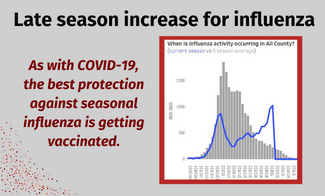
Yesterday afternoon’s weekly flu report shows that influenza is still circulating widely in AZ… with a steep increase in the last couple of weeks. The strain that’s circulating is mostly Type A - H3N2 which can be more severe than the 2009 H1N1, especially for seniors. There are plenty of B strains going around too. But you can still find a vaccine through Stop the Spread AZ – just be sure to call the place first to make sure they still have it and if you need an appointment. By the way- this year’s vaccine is still a perfect match for the circulating strains. The best prevention besides getting vaccinated is to wash your hands and make sure you cough or sneeze into your sleeve instead of your hand. Most importantly… don’t send your kids to school sick and don’t go to work sick either.
Influenza Going Gangbusters in US and AZ
January 10th, 2013During the 2009- 2010 influenza pandemic, we saw how influenza can be unpredictable in terms of who it affects most, when it occurs, and what strains will circulate. This season is no exception. While the circulating strains are exactly what we predicted, the peak of the flu season is hitting earlier than usual (now) and it’s really spreading fast. In fact, this week’s new Influenza Activity Report moved us into the “Widespread” category along with just about all the other states. The CDC Summary Site will probably be updated today with the latest US data. I bet just about every state will be on widespread status.
In AZ, a few of our licensed medical facilities are currently on “Divert or Caution” meaning that they are at or near capacity with sick folks. Our Licensing team will be in contact with several hospitals today. Many are managing patient flow by prioritizing medical procedures and postponing those that are optional in order to save space and staffing for acutely sick folks. We’ve given a couple of facilities permission to make adjustments to their normal procedures to better serve sick patients.
Preparedness is working on bed polls and communication with the county health officers/counties and media. We’ll continue to reach out to facilities to find out about capacity issues and work with them on messaging for alternate care sites and transferring patients within their own facilities.
It’s too late to get the flu shot for the folks that are sick with influenza right now. But if you haven’t gotten sick yet and have been putting it off- you better get on the stick.
New Flu Application Released by CDC
January 7th, 2013The CDC released a free application last month that allows users to access current influenza recommendations and influenza activity updates. You can click here to download. You’ll be able to check our where we are relative to the rest of the country and view the new methods of analysis presented on the new site. On our flu website you’ll be able to get more state specific analysis… including surveillance that shows our cases are headed up about 2 months earlier than last year… and that the circulating strains match the vaccine- meaning that the flu shot continues to provide good protection this year.
RSV on the Upswing in AZ
December 12th, 2012We’re off to an early start with the flu and RSV season this year with more cases reported in November than in previous seasons. Respiratory syncytial virus (or RSV) is a respiratory virus that mainly affects little kids and circulates during the winter. There’s no vaccine for RSV- but for those babies that are at highest risk (premature infants), doctors can give a preventive treatment throughout the season. The number of cases is still pretty small (about 100 so far this year), but we’ve had a 40% increase in cases over last year. That doesn’t always mean that there will be more cases this season, but it may just be a sign that our cases will happen earlier.
Once RSV infections begin to increase we usually have high levels for a few months. Doctors who give RSV antibody to high-risk infants might want to start incorporate this info into their treatment plans soon- and it’s time for hospitals to start thinking about implementing their RSV prevention plans. Our flu numbers have also been high for this season (cases this week double from last week), so now is the perfect time to go out and get your flu shot. If you want to keep a watch on the numbers, our flu and RSV website has a host of useful information including periodic reports.
AZ’s Trauma System: Moving to the Next Level
December 3rd, 2012Injuries are the leading cause of death for Arizonans from age 1 to 44. That means for the majority of the young and the middle-aged injury is more lethal than cancer, heart disease, hypertension and influenza combined. The effectiveness of a State’s pre-hospital and Trauma System makes the difference when it comes to saving lives (and quality of life) from injuries. That’s why we invited the American College of Surgeons to assess AZ’s Trauma System back in 2007… to evaluate the effectiveness of our trauma system and to make recommendations.
The main 2007 recommendations were to improve trauma care in the rural parts of the state by recruiting Level IV trauma centers in rural AZ, strengthen the State’s trauma registry, and to assess our system and make necessary updates to our state trauma plan. We have.
Over the last 3 ½ years, our EMS and Trauma System team has been able to recruit 17 rural hospitals (up from 0) into our trauma system. For the first time, Arizona’s rural trauma patients have timely access to good trauma care. Our State Trauma Registry has been strengthened by undergoing validation checks and audits and is now one of the best in the country, allowing us to conduct all kinds of research to improve care across the state. Arizona’s trauma system today bears little resemblance to our system 4 years ago, and like any system, it’s important to re-assess how we’re doing and set new priorities to maximize our effectiveness.
That’s why we invited the American College of Surgeons back last week… to evaluate our system- to take a look at the progress we have made over the last several years and give us feedback on the best way to move forward- both in rural and urban Arizona. The ACS met with our team and our EMS and hospital trauma Stakeholders- and we had great participation.
The ACS had about a dozen nuts and bolts recommendations and 3 larger recommendations regarding AZ’s Trauma System in their report-out presentation. Their written report (in about 6 weeks) will recommend (among other things):
- A moratorium on new trauma center designations in the Valley and Tucson and at the same time recommending that the Department explore the statutory authority to have a “needs based” system for designation.
- During the moratorium (if we have one)- they recommend that we put together a destination protocol for the Valley for ambulance providers.
- Their report will recommend that we explore more effective ways to use the Prop 202 money that currently only goes to Level I Centers.
We’ve just begun to explore the who, what, when, where, and how their initial recommendations. Once the actual written report comes in 5 or 6 weeks we’ll be in a better position to evaluate the recommendations.
Finally… three cheers for Dan Didier, Noreen Adlin, Donna Meyer, and Betty Yunick for preparing for this week’s evaluation. To get ready, they had to respond to a detailed trauma system pre-review questionnaire; identify, copy and scan approximately 400 pages of trauma system reports developed over the past 5 years; and coordinate hotel and meeting room space for approximately 80 participants. Thanks!