
Posts Tagged ‘mental health’

Mental Health Month Kickoff (opening pitch!)

May 1st, 2013

Guest Blog by Claudia Sloan; Communications, Cultural Competency, Workforce Development in the Behavioral Health Services Division

Today is the beginning of Mental Health Awareness Month… and in honor of that the Arizona Diamondbacks in collaboration with the Mental Health Awareness Coalition is hosting an event during tonight’s D-backs game against division rival San Francisco Giants.  At the game and all month long, the mental health care community will be out in force to help you learn the facts about mental illness and show you that recovery is possible.  For more information about people in recovery and May’s Mental Health Awareness events, please visit One in Four.

Programs that Advance Health Equity

April 25th, 2013

If you live in or have visited the rural towns and cities in Arizona, it’s not a surprise that many of these rural locations don’t have enough healthcare providers. Based on current provider shortage data from the federal HRSA, we need an additional 170 primary care providers and 54 mental health providers to adequately care for its underserved populations. 

April is Minority Health Month and a great time to highlight one of our programs that addresses provider shortages and improves health equity in rural and underserved areas. The First Things First Early Childhood Therapist Incentives Program provides stipends and loan repayment to Speech & Language Pathologists, Occupational and Physical Therapists, Child Psychologists, and Mental Health Specialists who provide early childhood development services in rural and underserved areas.  

The program currently has 30 providers participating and will be accepting applications until June 15 for providers in 9 rural counties.  Visit the First Things First Early Childhood Therapist Incentives Program for eligibility and application details.  This program is one of several incentives that can help bring more providers to undeserved areas of the state. Visit the workforce programs web site for information on other programs.

Troubled Teens: At Risk and Not Overlooked

February 19th, 2013

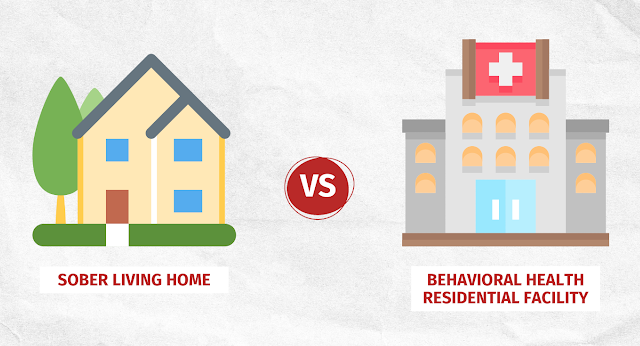
Our Vision at the Arizona Department of Health Services is ”Health and Wellness for all Arizonans”. Part of that Vision for folks living with behavioral health issues or a mental illness means achieving and maintaining self-reliance and independence.  To get there, some individuals simply need outpatient services occasionally.  Some need wrap-around community or home-based services.  Others need more intensive treatment in a licensed residential setting.  Our goal is always to provide the most effective kind of evidence-based treatment for that person.

For example, our home and community-based wrap-around services have been so effective that we’ve reduced care in licensed high-level Residential facilities by 75% in the last couple of years in Maricopa County.  We did this by building up home- and community-based wrap-around services like in-home counseling, high needs case management, home care training, peer support, respite, family support, and skills training.  However, outpatient treatment and home and community based services can’t always provide the level of treatment folks need, and some people need the more intensive treatment that only a  licensed and regulated residential facility can provide. 

A series of reports in the Republic this week suggests that some residential treatment facilities in our state are substandard.  While no regulated facility is perfect, our teams of inspectors are well-trained and highly-motivated to ensure each of our licensed residential treatment facilities meets our standards. Those that don’t must implement an immediate corrective action plan. Additionally, the DHS team has been overhauling many of its regulations to make sure our standards focus on the most important components of care.

We inspect residential treatment facilities once a year, and more often than that when there are complaints. When we’re inspecting facilities, our teams make decisions based on evidence. We talk to the residents and the staff; we look at patient and personnel records (including videotape); we observe facility practices and examine physical evidence. We require two forms of evidence to substantiate an issue. This practice helps us separate legitimate complaints and concerns from those that are baseless or intentionally fabricated.

We also receive dozens of reports every day as part of our regulatory oversight of all of our licensed facilities. We carefully and promptly evaluate each report and respond accordingly. Many of the reports that we receive are routine and pose no health or safety problem. When we receive a report that could pose an immediate safety concern, we send staff to the facility immediately like we did with an assisted living facility over the weekend.

Successful residential treatment facilities are pro-active, follow their policies and procedures without fail, are meticulous in reporting and documentation, and seek ongoing education. They’re not afraid to admit a mistake. Our job is not just to ensure that facilities comply with our standards, but also to maximize their effectiveness. That’s why our licensing teams also focus on ways to improve our licensed facilities.

Unlike newspaper reporting, our actions as an agency must be based in fact and rooted in the evidence demonstrated by a comprehensive review of the facility. Folks can view factual information about the more than 7,400 facilities licensed by the Arizona Department of Health Services by visiting www.azcarecheck.com.

Show Your Love

February 14th, 2013

Valentine’s Day isn’t just a day of romance, flowers and candy.  The CDC Preconception Health and Health Care Initiative launched a campaign asking all women of childbearing age to Show Your Love by taking good care of themselves.  It’s a national initiative to educate women and couples on the importance of preconception health. Preconception health refers to a woman’s health during the years she can have a child.  A mother’s health before she gets pregnant can affect the health of her baby.  

Women who’d like to become pregnant are urged to “Show Your Love” to your future baby by adopting healthy behaviors now.   Women who are not planning a pregnancy now are encouraged to “Show Your Love” to themselves so they’ll be healthy and have a fulfilling future.  About half of all pregnancies in our country are unplanned, which increases the chances of having a poor birth outcome such as preterm birth, low birth weight, high birth weight, or stillbirth.  Many women become pregnant when they’re not in the best health or while engaging in behaviors that could harm a pregnant woman or her baby.  It makes sense to be healthy at all stages of life. 

The Show Your Love website includes posters, educational videos, TV PSAs and health checklists for use by health care providers and community partners who want to educate the women and couples they work with about the importance of preconception health.  Preconception health is impacted by a number of health issues addressed by various ADHS programs – chronic disease, oral health, nutrition, physical activity, smoking, STD’s, immunizations and mental health.  The Bureau of Women’s and Children’s Health website includes additional preconception health tools. Also, please feel free to email the Bureau at: preconceptionhealth@azdhs.gov .

Get Trained in Mental Health First Aid Today

December 19th, 2012

The tragedy in Connecticut has reminded us all about how important mental health and mental health treatment is to ensure that we have a society that functions in a way that we’d all like.  To be truly effective, a behavioral and mental health system needs to make sure parents, teachers, doctors and emergency department staff, firefighters and first responders, law enforcement, and correctional staff just to name a few, are able to identify when there might be a problem and what to do to get help.  One of the evidence-based tools that can really help is called Mental Health First Aid.  

Mental Health First Aid is a novel, evidence-based public education program designed to teach people a five-step process to assess a situation, select and implement appropriate interventions and help a person in crisis or who may be developing the signs and symptoms of mental illness. The groundbreaking training equips people to provide initial help until appropriate professional, peer or family support can be engaged. Participants also learn about risk factors and warning signs of specific illnesses such as anxiety, depression, psychosis and addiction. 

Mental Health First Aid is an interactive 12-hour course that presents an overview of mental illness and substance use disorders.  It introduces participants to risk factors and warning signs of mental health problems, builds understanding of their impact, and overviews common treatments. Those who take the 12-hour course are certified as Mental Health First Aiders.  At the end, they have the skills, resources and knowledge to help an individual in crisis connect with appropriate professional, peer, social, and self-help care. 

After the tragic shootings in Tucson in 2011, our behavioral health team including Stephanie Uetrecht, Ali de la Trinidad, Cielo Mohapatra, Anne Rock, Kathy Bashor, Claudia Sloan, Bob Sorce  and Dr. Laura Nelson coordinated with our Regional Behavioral Health Authorities and Providers to put together a series of Mental Health First Aid courses across the State to build Arizona’s awareness infrastructure.  Throughout 2011, the teams certified nearly 100 Trainers, who in turn have trained thousands of community members over the course of this year.

As a result, Arizona has among the most robust number of instructors in Mental Health First Aid in the country.  If you or your team want to get involved and certified as a Mental Health First Aider can visit the Mental Health First Aid website and even find an instructor in your community.  Simply go to the website above, put in your city and zip code, along with the diameter in miles that you want to search- and you can find the Trainers we trained in 2011 that can help bring your team up to speed.

Guide to Community Prevention Services

October 3rd, 2012

Every so often- you run into a resource guide that stands above the rest.  I discovered one of those a couple of weeks ago when I was at a conference with the people in my job from around the country.  It’s called the Guide to Community Preventive Services – and it’s a free resource to help you choose programs and policies to improve health and prevent disease in communities.  The easy to read resource guide answers questions like: 1) Which program and policy interventions have been proven effective; 2) Are there effective interventions that are right for my community; and 3) What might effective interventions cost and what’s the return on investment? 

There are modules on different public health topics- and the evidence-based information is printed in colorful, easy-to-read formats.  Subjects include much of our core strategic plan activities in health and wellness including: Adolescent Health; Alcohol; Asthma; Birth Defects; Cancer; Cardiovascular Disease; Diabetes; Emergency Preparedness; Health Communication; Health Equity; HIV/AIDS,STD’s, Pregnancy; Mental Health; Motor Vehicle Injury; Nutrition; Obesity; Oral Health; Physical Activity; Social Environment; Tobacco Use; Vaccines; Violence; and Worksites.  Learn more about The Community Guide, collaborators involved in its development and dissemination, and methods used to conduct the systematic reviews.

Wellness!

June 14th, 2012

I’m excited to announce that we have 32 teams signed up for the ADHS Worksite Wellness Stair Climb Challenge.  Stair climbing and other physical activities have so many health benefits including decreasing your risk of developing a chronic disease, improving your mental health and mood, and it increases your chances of living longer.  So, Get Your Climb On!

AZ’s Behavioral Health State Plan

April 9th, 2012

Our Division of Behavioral Health Services recently submitted its combined mental health and substance abuse prevention and treatment services State Plan for FY 12-13 to the Substance Abuse and Mental Health Services Administration. The Plan that we submitted doubles as the State Plan that’s required by ARS 36-550.01. The Plan provides an overview of Arizona’s behavioral health prevention, early identification, treatment, and recovery support systems including how the public behavioral health system is currently organized at the State, County and local levels. It describes the child and adult service delivery systems highlighting their similarities and differences and how these systems address the needs of diverse racial, ethnic and sexual gender minorities as well as youth who are often under-served.

AZ Women’s Health Status Report

April 2nd, 2012

Our Bureau of Women’s and Children’s Health team released the Arizona Women’s Health Status Report recently. The report details how Arizona women are doing toward achieving optimal health and wellness. Topics covered in the report include physical activity, oral health, mental health, access to care and general wellness.

The good news is that 83% of Arizona women report having good to excellent health, but the report shows that 50% of women over 25 years old are overweight or obese. As is often the case in public health- women with lower incomes face bigger challenges with their health. The percentage of women who reported being physically active increased with education and income. Among women who had an annual income of less than $20K- 31% reported frequent mental distress, while only 6% of those with an annual income of $50K or more reported mental distress. 

The social determinants of health have been well-established in public health literature, and this report really brings home the connection between income and educational levels to health outcomes, in addition to race and ethnicity, among Arizonan women.

Our Arizona State Hospital’s “Culture of Care”

March 26th, 2012

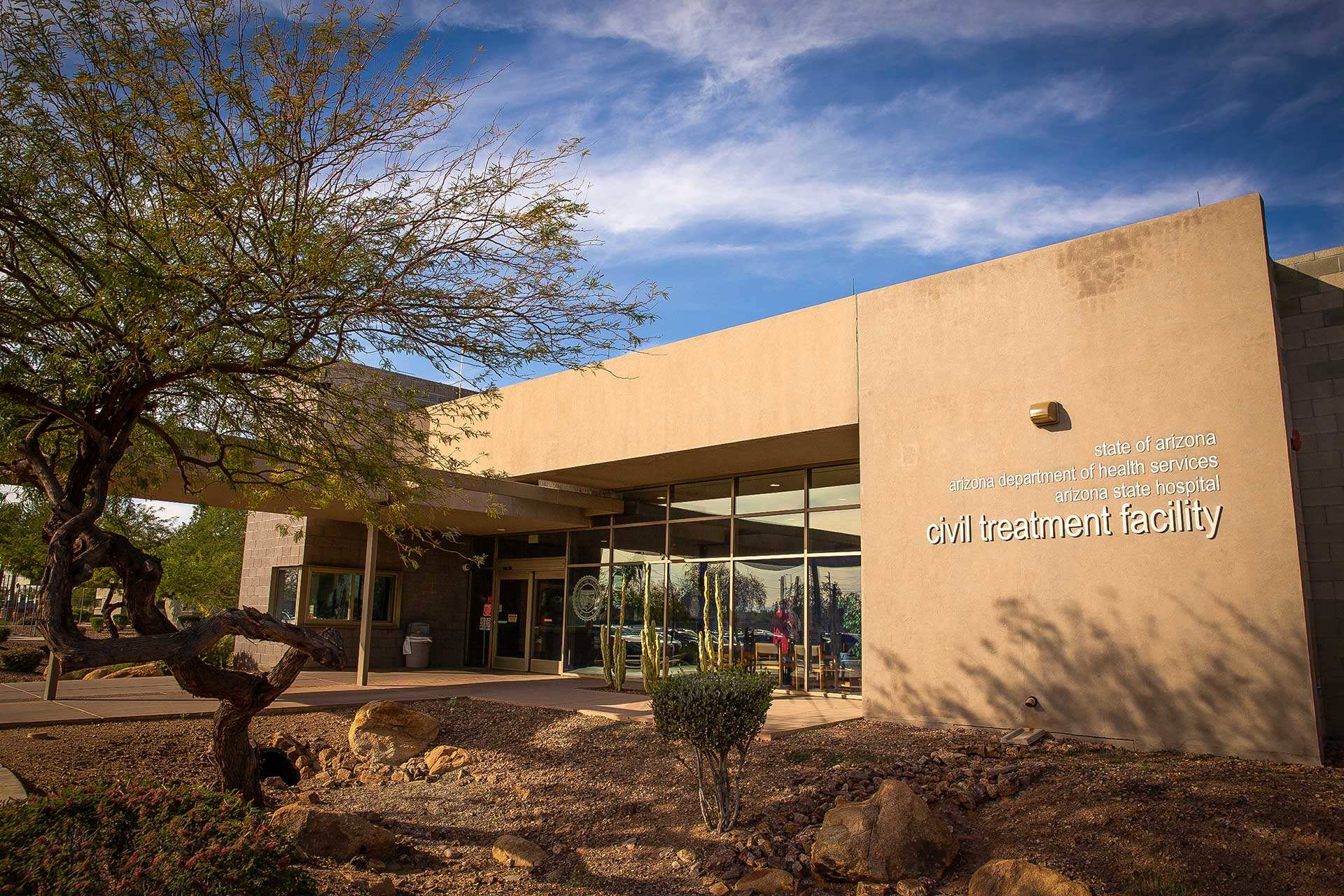
We’ve had plans to change how we think about security at the Hospital for the last several months.  Our careful planning and organizing is paying off- as we’ve implemented many of our plans already and are turning the key on other reforms in the coming weeks and months.  It’s definitely been a busy place at the State Hospital these days- and we’re excited about the enormous progress.  Kudos to the entire team at the Hospital.

The reorganization of the security department basically increases mental health and residential program staff while decreasing security staff on the hospital units.  Our mental health and residential program staff are supplementing existing unit folks so security staff can step back from patient/resident observation and intervention responsibilities and focus on access and customer service duties.  These renamed “Campus Support and Safety Specialists” put an emphasis on a safe and supportive environment, something we’re striving to achieve for patients, residents, staff and visitors. 

We’re also shifting to “Non-Violent Crisis Intervention” as our operational model. Non-Violent Crisis Intervention is a nationally recognized best practice for intervention and de-escalation (created by the Crisis Prevention Institute). It’s widely used by health care providers, schools and many other settings that deal with potentially violent situations.  The program is based on teamwork.  By using a cohesive team that’s fully engaged in all aspects of care, we can better create an environment that is therapeutic for patients/residents and safe for everyone while providing employees a rewarding environment in which to work. 

Twenty-five staff have completed Non-Violent Crisis Intervention instructor training. Our new instructors are wearing yellow lanyards that say “NVCI Instructor” so everybody knows they’re our trainers.  The next goal is to train all employees in these valuable techniques in order to replace the current Pro-Act model that’s been in place for years.  The instructors are meeting regularly and will begin developing the “roll-out” strategy for the campus wide training.  A special thanks to our trainers-  they’ve stepped up and made themselves available to make the hospital a better place.

P.S. We found out this month that The Joint Commission has fully accredited the State Hospital for the next 3 years.  Thanks to the entire Hospital team- it’s not easy to get Deemed Status from the Joint Commission.  Well done!