
Posts Tagged ‘cough’

SARS déjà vu?

May 11th, 2013

Last month the World Health Organization (WHO) began to receive reports of human cases with SARS-like infections caused by a new coronavirus. According to WHO, 30 cases of this new illness have been found and 60% of the infections have been fatal. So far, the cases have been limited to Saudi Arabia, Qatar, Jordan, the United Arab Emirates, the UK and France. Symptoms are pretty serious and include fever, cough and shortness of breath. Most of the people infected have required hospitalization. It looks like the virus spreads person to person, but scientists don’t yet know enough to say for sure.

CDC, WHO, and other public health organizations are looking into all severe acute respiratory cases, especially those with recent travel to the Arabian Peninsula to identify any new cases of the virus and learn more about how it might be spreading. No cases have been found in the US.  Here’s some up to date information if you’re interested in learning more.

Yesterday I blogged about what we’ve learned since we first discovered SARS. 


CDC’s Valley Fever Article Spotlights AZ

April 2nd, 2013

Valley Fever has been making news across the country today. A new report in this week’s CDC’s weekly epidemiology report shows that Valley Fever numbers have gone up substantially in AZ over the last 10 years.  Part of the increase is probably due to the fact that Valley Fever became reportable a few years ago- but no doubt part is because of better awareness of the disease among clinicians and the public. 

The report (coauthored by our own Clarisse Tsang) highlights the important role that AZ plays in understanding Valley Fever.  Working with the California Department of Public Health and the CDC, we helped uncover more information about who is testing positive for Valley Fever.  The report shows that people 60 or older are more likely to test positive in Arizona.  In California the cases tend to be younger with the largest group between 40 and 59 years old.  

The report also shows that about 2/3 of the reported cases in the country are right here in Arizona.  The national attention comes at a great time – since many snowbirds are returning home for the summer.  Anyone who’s spent time in the Desert Southwest needs to watch out for  Valley Fever symptoms… if you’re tired and have had a cough and fever for a couple of weeks, ask your doctor to see if you might need a Valley Fever test.

Influenza Still Increasing in AZ

January 25th, 2013

Yesterday afternoon’s weekly flu report shows that influenza is still circulating widely in AZ…  with a steep increase in the last couple of weeks.  The strain that’s circulating is mostly Type A - H3N2 which can be more severe than the 2009 H1N1, especially for seniors. There are plenty of B strains going around too.  But you can still find a vaccine through Stop the Spread AZ – just be sure to call the place first to make sure they still have it and if you need an appointment.  By the way- this year’s vaccine is still a perfect match for the circulating strains.  The best prevention besides getting vaccinated is to wash your hands and make sure you cough or sneeze into your sleeve instead of your hand.  Most importantly…  don’t send your kids to school sick and don’t go to work sick either.

Valley Fever Season Peaking

January 8th, 2013

Valley Fever typically peaks in late fall and early winter with a minor peak from June to August (refer to the 2007-2011 Valley Fever Report). Those who’ve been in Arizona for a while may know that Valley Fever is a lung infection caused by a fungus that is common in the soil here. In most cases, people with Valley Fever have very mild symptoms like cough, fatigue and shortness of breath that they may confuse with the common cold. Sometimes people can have serious disease including meningitis (brain infection) and pneumonia (severe lung infection).  People can have symptoms for a long time or may need to be hospitalized–especially the elderly or those with weak immune systems. 

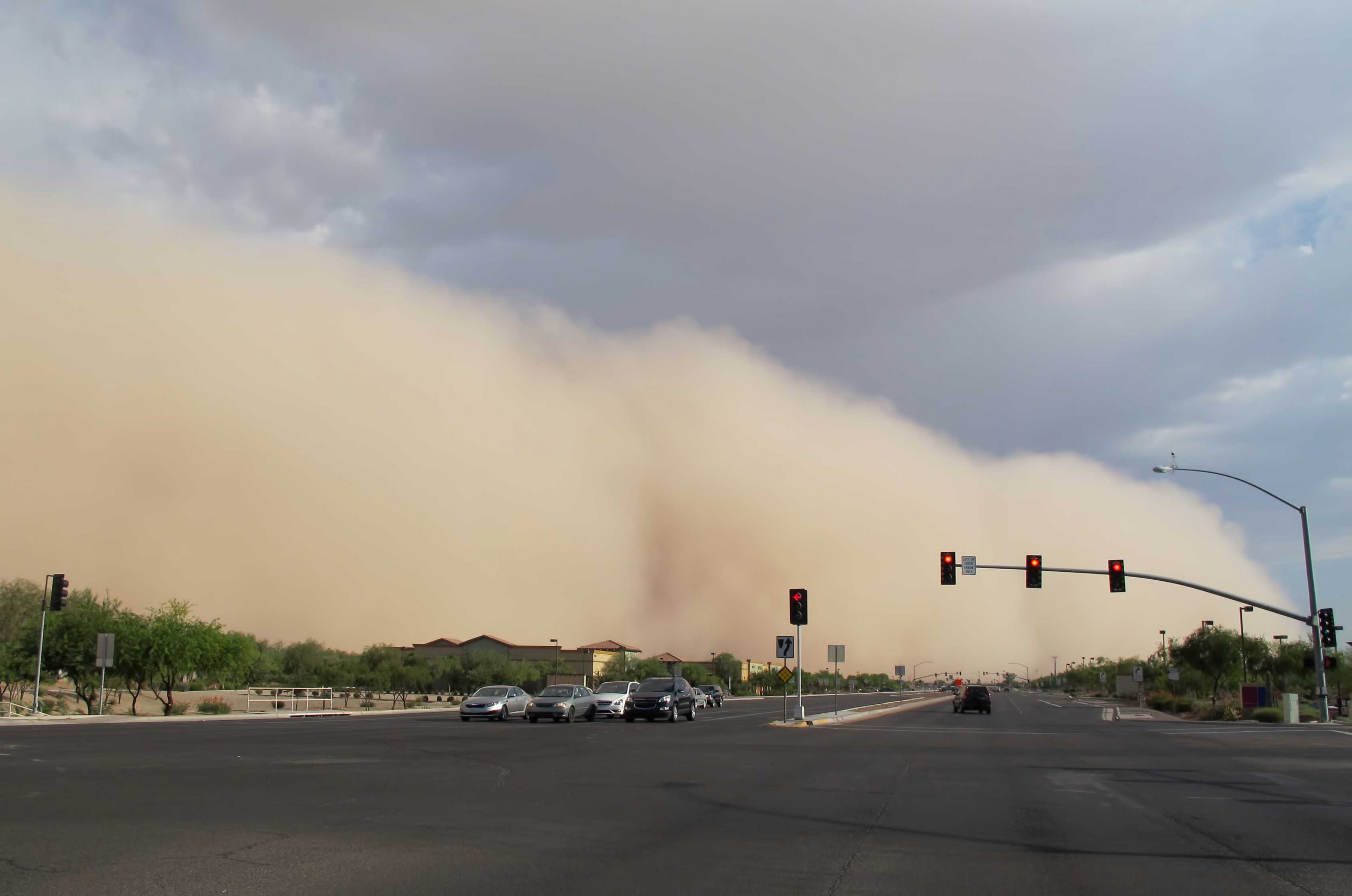
Arizona’s numbers for Valley Fever have increased significantly over the last decade. This increase could be because more people that have not been exposed to Valley Fever before are moving to or visiting the state and also because doctors and the public are more aware about Valley Fever and are testing more for it.  In addition, some folks think that increased exposure to dust, like being around construction or standing outside in a dust storm is maybe one of the reasons for the increase in Arizona. Our numbers this year have been lower than last year, and this may be due to the mild monsoon season this past summer. 

To help address this Arizona disease, we’ve been collaborating with the University of Arizona’s Valley Fever Center of Excellence to provide a free online training for clinicians in addition to a host of other interventions designed to raise awareness.   Our Office of Border Heath has also been working with colleagues from Sonora Secretaria de Salud Publica and other border states to collaborate and share our experiences.  Epidemiologists from Sonora have come to Arizona to participate in trainings and learn more about our surveillance system.  Last year, the CDC and Mexico’s federal partners conducted a training which enabled Sonora’s State laboratory to test for Valley Fever.  Together Arizona and Sonora will continue to work to better understand the burden of Valley Fever in the region.  For additional information, please visit: www.valleyfeverarizona.org.


‘Tis the Season to Be Vaccinated…

December 19th, 2012

The CDC’s Advisory Committee on Immunization Practices released issued new recommendations to encourage pregnant women to get the whooping cough (pertussis) vaccine (Tdap) during their pregnancy.  Since most kids get whooping cough from a close family member, vaccinating parents (and teens) is one of the best ways to prevent infants, especially those who are too young to be fully protected from this life threatening infection.  Whooping cough cases have been increasing in AZ again this year, with over 900 cases as of a couple of weeks ago…  103 more than during the same time last year and 4 times more than we have in a typical year. 

There are many things contributing to the high rate of whooping cough in AZ and nationally. Symptoms are non-specific during the first two weeks- usually just a cough that won’t go away. Providers might not identify the case until weeks later when cough intensifies and the more classic signs like “whoop” are noticed. Even then, doc’s may not be able to diagnose it if the sick person looks fine during the office visit (if they’re between coughing fits). Whether the doctor is able to diagnose the patient or not, the person may have already infected others and the disease continues to spread. 

This leads to school or community outbreaks, especially in areas with low vaccination rates. This year, one outbreak has been ongoing since May.  Routine vaccination – given as DTaP in children or Tdap in adults – is important for preventing future outbreaks from occurring.  Talk to your doctor about pertussis vaccine – particularly if you spend a lot of time with babies.  Remember, the best gift for your children this holiday is to get vaccinated!

AZ Child Dies from Flu

May 18th, 2012

Most people think that when the weather warms up, we can stop worrying about the flu.  But it’s still here.  Recently, a young Gila County child died from influenza.  It’s the only pediatric death from flu in Arizona this year, last year 5 children under 18 died.  Adult flu deaths are not tracked by the state.

This year’s flu season hit later and was lighter than last years. But it is still circulating so you need know what to do if you get the flu.  It’s much worse than a cold with a high fever, achiness, cough, and tiredness.  The main distinction from a cold is how fast you get sick.  A cold develops and the flu hits you quickly.

The best thing you can do about the flu is stay home if you’re feeling sick.  Be sure to cover your cough and wash your hands.


Influenza Widespread in AZ

March 21st, 2012

During the 2009- 2010 influenza pandemic, we saw how influenza can be unpredictable in terms of who it affects most, when it occurs, and what strains will circulate. This season is no exception. While the circulating strains are exactly what we had predicted, the peak of the flu season is hitting later than usual… and the influenza virus is finally making rounds.

Last week, the number of flu cases jumped by more than 40 percent and came in from almost the whole state.  Flu numbers are posted every Wednesday in the Surveillance Report. Our state lab has done a lot of PCR and culture testing to find out more details about the circulating viruses, and the good news is that, so far, the three strains in the vaccine are a good match with the circulating strains in Arizona and nationally (H3N2 Influenza A, the 2009 H1N1 pandemic strain and an Influenza B). There are still plenty of places you can find an influenza vaccine- and of course it’ll be more important over the next few weeks to cover your cough properly, wash your hands and stay home if you or your kids get sick.