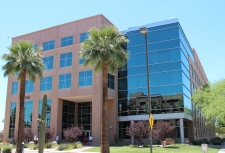
Ever since our Arizona Community Protection and Treatment Center (on the grounds of the Arizona State Hospital) opened in 1998, we’ve been providing treatment to sexually violent persons who have a mental disorder and who have been convicted (or found guilty except insane) of a sexually violent offense or were charged with a sexually violent offense and determined incompetent to stand trial. Through the years, our treatment has consisted mostly of therapies to address the persons’ offense history, analyze their own cycle of behavior, to develop self-management techniques in order to reduce the risk of re-offending, and to develop empathy for their victims.
While our historic approach has been solid, it doesn’t really help them to eventually successfully reintegrate into the community, because they also need to know how to get (and keep) a job, budget & pay bills, prepare (balanced) meals, navigate public transportation, interact with people in socially acceptable ways, form healthy relationships, maintain social and personal boundaries, and eliminate addictions- you get the idea- they also need skills to live in society. Many of our ACPTC residents come from impoverished, traumatic backgrounds and haven’t lived successfully in society, so a lot of work is needed to prepare them to (eventually) live in the community.
This month, we kicked off our new therapeutic program which will help residents gain and practice skills that will help them to (eventually) function in the community. While the psychosexual treatment remains the cornerstone of our therapeutic approach, residents are now being offered therapies for social and living skills, educational and vocational assessment and exploration, addictive behavior therapy, anger management, therapeutic recreation and structured daily therapeutic schedules that include self-directed leisure and work. The new program goals help them on their way to forming healthy social relationships with guidance of trained staff. In other words, the whole person is being treated with the goal of helping the person lead a productive life and affording protection to the community when they’re eventually transitioned to the community.
Ann Froio and her team at the ACPTC have been working on this new therapy design for the last few months and it’s great to see it actually being executed. This new approach doesn’t really cost any additional money, rather, it’s a re-design of the daily activities. It’s actually a lot like the Empower Pack, a redesign of daily activities to achieve a goal but without requiring a huge financial investment.
What’s Debilitating?
April 20th, 2012The voter approved language in the AZ Medical Marijuana Act directs us to periodically accept and evaluate petitions to add new debilitating medical conditions. We’ve made it through the first phase of considering whether to add 4 new debilitating conditions… 1) Post Traumatic Stress Disorder; 2) Generalized Anxiety Disorder; 3) Migraines; and 4) Depression. You’ll be able to give us your thoughts about these four conditions at a public hearing next month (May 25th from 1 – 4 p.m. at our State Lab). You can read the information we already have about these four starting next week.
If we decide to add PTSD or any other debilitating conditions, we want to make sure we’re on solid medical ground. I’m heading down to a conference in Tucson next weekend where physicians can get Continuing Medical Education credits for learning about medical cannabis.
10 comments »
Posted in Uncategorized
Tags: AMMA anxiety cannabis debilitating conditions depression Generalized Anxiety Disorder medical cannabis medical marijuana Migraines new debilitating conditions for AMMA Post Traumatic Stress Disorder public comment