
Posts Tagged ‘preconception health’

Show Your Love

February 14th, 2013

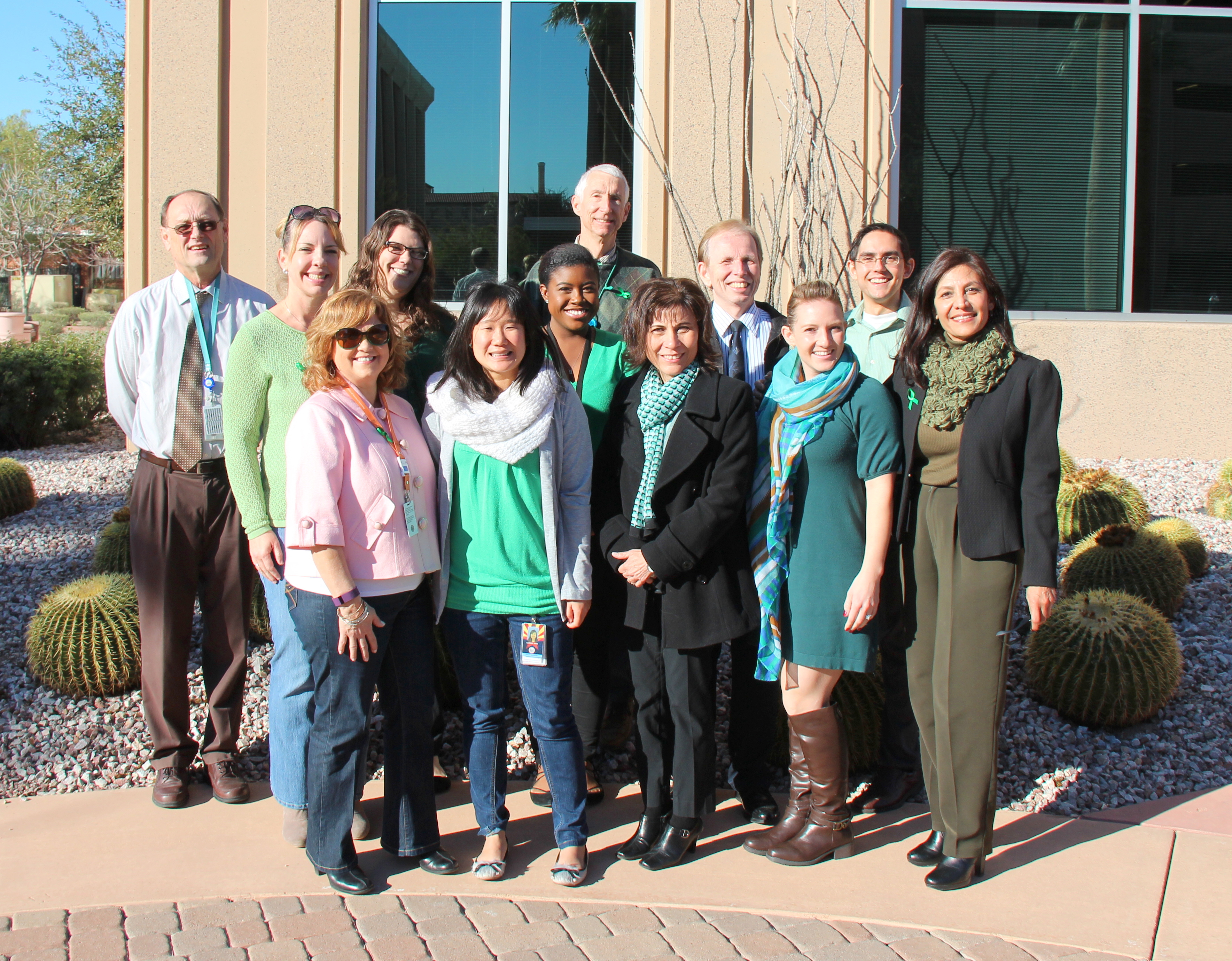
Valentine’s Day isn’t just a day of romance, flowers and candy.  The CDC Preconception Health and Health Care Initiative launched a campaign asking all women of childbearing age to Show Your Love by taking good care of themselves.  It’s a national initiative to educate women and couples on the importance of preconception health. Preconception health refers to a woman’s health during the years she can have a child.  A mother’s health before she gets pregnant can affect the health of her baby.  

Women who’d like to become pregnant are urged to “Show Your Love” to your future baby by adopting healthy behaviors now.   Women who are not planning a pregnancy now are encouraged to “Show Your Love” to themselves so they’ll be healthy and have a fulfilling future.  About half of all pregnancies in our country are unplanned, which increases the chances of having a poor birth outcome such as preterm birth, low birth weight, high birth weight, or stillbirth.  Many women become pregnant when they’re not in the best health or while engaging in behaviors that could harm a pregnant woman or her baby.  It makes sense to be healthy at all stages of life. 

The Show Your Love website includes posters, educational videos, TV PSAs and health checklists for use by health care providers and community partners who want to educate the women and couples they work with about the importance of preconception health.  Preconception health is impacted by a number of health issues addressed by various ADHS programs – chronic disease, oral health, nutrition, physical activity, smoking, STD’s, immunizations and mental health.  The Bureau of Women’s and Children’s Health website includes additional preconception health tools. Also, please feel free to email the Bureau at: preconceptionhealth@azdhs.gov .

The Push to Stop Preterm Births

July 2nd, 2012

On June 18, we held a news conference with the Arizona March of Dimes and the Arizona Perinatal Trust to officially launch a new campaign to reduce preventable preterm births.  We got great coverage this week, including a FOX News interview  that aired in several other cities across the country.  We’ve joined a national challenge issued by the President of the Association of State and Territorial Health Officials and pledged to set a goal of reducing premature births by 8% by 2014.  This would mean 800 more babies would make it to full term.

Why the focus on prematurity? Many babies die because they’re born too soon.  In 2010, almost 200 babies died due to prematurity, the leading cause of deaths for newborns.  Even babies born a few weeks early have high odds of learning disabilities, vision & hearing loss and cerebral palsy. The Healthy Babies are Worth the Wait  campaign stresses that if the pregnancy is healthy, it’s best to let labor begin on its own rather than scheduling an early delivery.

Until recently, it’s been an accepted practice for parents-to-be and doctors to schedule elective (non-medically necessary) inductions or c-sections just for the convenience of the parents’ schedule, or the doctor’s schedule, or because a date holds a special meaning for the family.  Because of the hard work of the Arizona Perinatal Trust (APT) promoting the March of Dimes 39-week Toolkit this practice may soon be a thing of the past.  90% of all APT-certified hospitals have already agreed to put a stop to allowing elective inductions and c-sections prior to 39 weeks.  This will go a long way to reducing preterm births, but there’s more that we can do.

In the past decade, mounting scientific evidence has concluded that if pregnancy outcomes are going to improve, it’s real important that women and men are as healthy as possible before conception.  We call this preconception health, and the concept is simple.   Healthy people are more likely to have healthy babies.  Prenatal care is important, but it’s not magic.   We can’t expect even the best prenatal care to undo the damage that may have been sustained through years of unhealthy behaviors and stressful environments.  It is not a substitute for being healthy, especially when about half of all pregnancies are unplanned.

Our interventions include implementing evidence-based practices to get moms to stop smoking, practice good oral health, improve physical activity and nutrition and behavioral health- all are part of our Preconception Health Strategic Plan and our Every Woman Arizona educational materials, grants to implement preconception health strategies, and home visitation programs that address many of the things that lead to prematurity.  Our WIC program and clinics also work with young moms in their reproductive years to improve their health.  Maintaining a healthy weight before pregnancy is really critical.  Women who are obese are at higher risk for infant death, premature births and several birth defects (brain, spinal and some heart defects) and babies born large for gestation. Obese mothers are at greater risk of experiencing gestational diabetes, high blood pressure etc.- associated with preterm births.

Most of us know what we need to do to be healthy, but sometimes we lack motivation to make those healthy choices for ourselves.  But the choices we make today are not just for ourselves – they are choices for our kids & the next generation.  Check out our new Healthy Babies webpage for more information about the campaign and view the new March of Dimes public service announcement.


Infant Mortality- the Presidential Challenge

April 19th, 2012

A couple of weeks ago I mentioned that Dr. David Lakey, this year’s President of the Association of State and Territorial Health Officials has  selected the Healthy Babies Project for his national initiative-  challenging each state to implement strategies to reduce prematurity and infant mortality based on successful national, regional, and state efforts to improve the health status of babies.  We’ll be working alongside our partner states over the coming months to help carry some water.  We started on our trek this week. 

We’ll be working with the Arizona Perinatal Trust and our local AZ March of Dimes to implement evidence-based strategies to reduce prematurity like: 1) Expanding home visiting programs to families and pregnant women in high-risk communities; 2) Developing standards for home visiting programs throughout Arizona and professional development of home visitors so that home visits maximize opportunities to reduce risks for premature birth; 3) Expanding awareness of importance of preconception health and implementation of the  Arizona Preconception Health Strategic Plan; 4) Continuing to support the March of Dimes “Healthy Babies are Worth the Wait”  39 Week Toolkit;  5) Renew focus on infant safe sleeping practices to reduce post-neonatal infant mortality; and 6) Use social media and public relations events to promote the overall campaign.

Healthy Babies are Worth the Wait

April 13th, 2012

Being born too soon is the number one killer of infants in Arizona and in the nation (birth defects is a close second).  Death rates from prematurity are declining but babies born too soon (before 37 weeks) often face medical, developmental and social challenges as they get older. More than 8,000 babies in Arizona were born too soon last year. Our latest March of Dimes Premature Birth Report Card was average- but there was good news related to the reduction in the percentage of uninsured women and the number of women who smoke.  

Some of the things that can cause prematurity include diabetes, high blood pressure, obesity, smoking, and alcohol or drug abuse.  One of our main approaches to reducing prematurity rates is to improve the health of women before they get pregnant- called preconception health.   Prenatal care is still important- but poor health practices during pregnancy will usually trump good prenatal care. 

Our interventions include implementing evidence-based practices to get moms to stop smoking, improve physical activity and nutrition and behavioral health- all are part of our Preconception Health Strategic Plan and our Every Woman Arizona educational materials, grants to implement preconception health strategies, and home visitation programs that address many of the things that lead to prematurity.  Our WIC program and clinics also work with young moms in their reproductive years to improve their health.  We also work with the Arizona March of Dimes and the Arizona Perinatal Trust to encourage hospitals to adopt policies designed to ensure that elective births aren’t approved before 39 weeks gestation. 

BTW… This Saturday is the March for Babies in Phoenix.  The annual fundraiser for the March of Dimes started more than 30 years ago and helps moms in Arizona have full-term pregnancies and healthy babies.  What they’ve accomplished so far is phenomenal and you can help.  ADHS has a team and would love to have you join us or you can donate…  Registration starts at 7 am – it’s at Wesley Bolin Plaza by the Capitol.


Obesity & Autism Walking Hand in Hand?

April 9th, 2012

Another article came out this week in the journal Pediatrics that points toward the importance of preconception health including maintaining a healthy weight before and during pregnancy.  The authors explored the relationship between metabolic disorders like diabetes, hypertension, and obesity and outcomes such as autism and other developmental delays.  They found an association between metabolic disorders and neurological problems in kids. The article concludes that “With obesity rising steadily, these results appear to raise serious public health concerns”.  Add this article to the list of reasons why it’s important to eat right and get some physical activity. 

PS- Note the key word “associated with” in the article.  In the world of science there’s a big difference between association and causation.  The word association means things are somehow linked- but it’s not intended to imply causation.

What’s Preconception Health- and Why’s it Important?

November 7th, 2011

Being born too soon is the number one killer of infants in Arizona and in the nation.  Death rates from prematurity are declining but babies born too soon (before 37 weeks) often face medical, developmental and social challenges as they get older. More than 8,000 babies in Arizona were born too soon last year.   This week the March of Dimes released the 2011 Premature Birth Report Card that grades States on their premature birth rates.  While Arizona was average- there was good news related to the reduction in the percentage of uninsured women and the number of women who smoke.   

Some of the known factors impacting prematurity include having twins/triplets, having a chronic disease such as diabetes, high blood pressure, being obese, smoking, and alcohol or illegal drug use.  One of our main approaches to reducing prematurity rates is to improve the health of women before they get pregnant- called preconception health.   Prenatal care is still important- but poor health practices during pregnancy will usually trump good prenatal care.   

Our interventions include implementing evidence-based practices to get moms to stop smoking, improve physical activity and nutrition and behavioral health- and all are part of our Preconception Health Strategic Plan which includes Every Woman Arizona educational materials, grants to six local communities to implement preconception health strategies, and home visitation programs that address many of the factors that can lead to prematurity.  Our WIC program and clinics also work with young moms in their reproductive years to improve their health.  We also work with the Arizona March of Dimes and the Arizona Perinatal Trust to encourage hospitals to adopt policies designed to ensure that elective inductions aren’t approved before 39 weeks gestation.

Preconception Health II

December 2nd, 2010

If you picked up a U.S. Vital Statistics edition in say 1940, you’d notice an emphasis on stillbirth statistics in the maternal and child health sections. Today while infant mortality (rather than stillbirths) receives more attention as a sentinel indicator of maternal and child health, it’s still significant.  You may recall reading in a previous blog about Arizona’s historic low infant mortality rate in 2009 (5.9 infant deaths for every 1,000 live births). Unfortunately the rate of stillbirth in 2009 (5.5 per 1,000) remained unchanged. In fact, the total number of stillbirths in 2009 nearly equaled the total number of infant deaths.

Smoking remains the leading known behavioral cause of stillbirth. Not smoking at all is the best, but quitting early in the first trimester  reduces the risk to baseline. The Incidence and Reported Causes of Stillbirth in Arizona is produced annually by our Bureau of Women’s and Children’s Health and is a good resource for further information about stillbirth in Arizona.  The bottom line is that preconception health remains the most promising strategy we have to reduce both stillbirth and infant mortality in Arizona. For more information, you can access the “Every Woman Arizona” educational materials- which promote health before pregnancy.

AZ’s Improving Our Birth Outcomes

November 1st, 2010

Did you know that Arizona achieved an historic low Infant Mortality Rate (5.9 infant deaths for every 1,000 live births) in 2009?  Infant mortality has long been a public health barometer to assess the general health of a community because good birth outcomes require a host of things to go right.

There are many risk factors for poor birth outcomes.  The main causes of infant mortality are low birth weight and prematurity.  Some risk factors include smoking, alcohol & other drug use, hypertension, diabetes, gum disease.  Maternal obesity increases the risk of birth defects, preterm births, and fetal/infant deaths.  Risk of prematurity, low birth weight, and infant mortality increases significantly with multiple births (having twins, triplets, or more).  The risk of infant mortality among twins/triplet’s etc. is 3.65 times greater than for among “singletons” in AZ.

Improving birth outcomes by minimizing risk factors is called preconception health and it’s a top priority for our Bureau of Women’s and Children’s Health.  Important elements to improve outcomes include several factors before pregnancy including:

  1. stopping smoking;
  2. avoiding alcohol & other drugs;
  3. maintaining a healthy weight;
  4. taking a multivitamin with folic acid (before pregnancy);
  5. planning and properly spacing pregnancies;
  6. brushing your teeth and gums twice a day with a fluoride toothpaste and floss;
  7. seeing a dentist;
  8. keeping stress in check; and
  9. using seat belts throughout pregnancy to prevent maternal & infant mortality.

It’s also important to get early prenatal care to help manage chronic conditions like high blood pressure and diabetes.

You can read more about our specific interventions at our Bureau of Women’s and Children’s Health page and you can also check out our “Every Woman Arizona” educational materials- which promote health before pregnancy.